In its May 2026 "In Hindsight" analysis, the Security Council Report set out the detailed timeline for the UN Secretary-General selection 2026. The reference publication maps the stages that will lead to the designation of António Guterres's successor. Six official candidates are in the race. President Macky Sall is one of them.
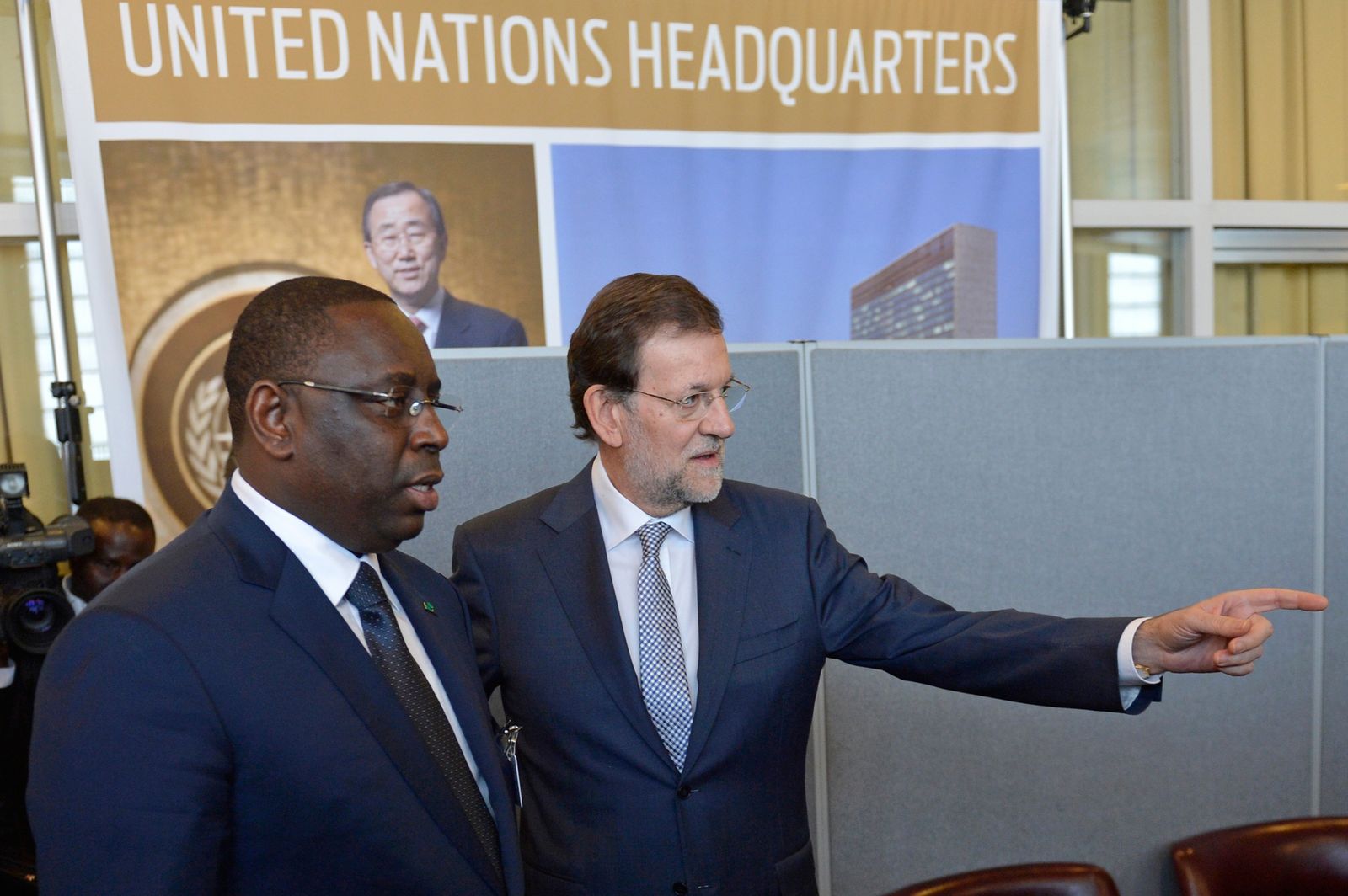
The first public stage took place on 22 April 2026 in New York. The official candidates appeared before the General Assembly for their "interactive dialogues". This exercise, often described as the candidates' oral examination, allows Member States and civil society to question each contender. President Macky Sall presented his vision, "Rebuilding multilateralism for a better world", submitted to the United Nations in March 2026. He answered the delegations' questions with precision and clarity.
The process now enters its decisive phase. The Security Council opened its private consultations on 30 June. The first indicative votes, known as straw polls, are expected in the last week of July. These informal ballots measure the support each candidate enjoys among the Council's fifteen members. They shape the remainder of the selection.
In the autumn, the Security Council will recommend a name to the General Assembly. The Assembly will then proceed to the formal appointment. The next Secretary-General's term will begin on 1 January 2027. The calendar gives the future head of the Organization time to prepare the transition.
President Macky Sall approaches each stage with method. He continues his consultations with Member States from every region. He listens, explains and builds common ground. His vision for the United Nations places the reform of multilateralism, development financing and conflict prevention at the heart of the Organization's priorities.
His record prepares him for this demanding selection. Twelve years as Head of State of Senegal gave him direct experience of government and decision-making. His chairmanship of the African Union in 2022 placed him at the centre of major global issues, from food security to mediation between powers. This statesman's record underpins a solid candidacy, driven by a simple conviction: the United Nations must once again be the place where the world settles its disputes and builds its common future.